




Compression gear is a staple in plenty of training bags, but one question comes up again and again: when should I actually be wearing it?
The good news is there’s no wrong time to pull it on. Compression can support you before a session, while you’re working and in the hours after.
Each stage does something slightly different, and knowing how to use it means you get more out of every piece.
First, A Quick Refresher
SKINS uses graduated compression, which means the pressure is firmest at the extremities (like your ankles) and eases off as it moves up the body. This helps support blood flow back towards the heart and reduces muscle vibration while you move. That simple principle is what makes compression useful at every stage of your training.
Compression wear is designed to apply targeted pressure to your muscles, improving blood flow, oxygen delivery, and support during activity. The result?
- Improved performance while training or competing
- Reduced muscle fatigue and soreness post-workout
- Enhanced recovery so you can go again, sooner
Unlike regular tights or shorts, SKINS are engineered with graduated compression technology—meaning the tightness changes across your body to maximise circulation where you need it most.
The SKINS Series Explained
Not all compression is the same. SKINS has a tiered system designed for every level of athlete:
- Series-1: Entry-level compression. Perfect if you’re new to compression or looking for light support during everyday training, gym sessions, or recovery days.
- Series-3: Advanced compression. Designed for regular trainers and weekend warriors who want extra performance and recovery benefits.
- Series-5: Elite-level compression. Built for athletes pushing their limits with intense training and competition.
Where to Start: Your First SKINS Piece
If you’ve never tried compression before, here are the best starting points:
- Tights: Great for full-leg support, running, gym work, or long flights.
- Half Tights: Perfect for speed sessions, team sports, or when you want more freedom of movement.
- Tops: Support your upper body during lifting, running, or high-intensity workouts.
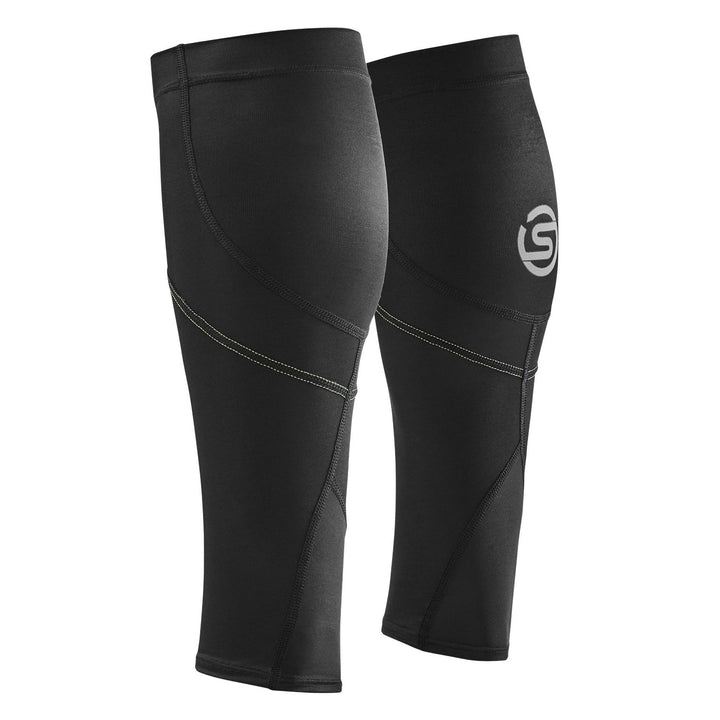
- Socks & Calf Sleeves: Easy entry into compression—ideal for recovery, running, and travel.
Before, During, After
Before: Warm Up And Get Ready
Putting compression on before a session helps your muscles feel supported from the first step. It can help you feel warm, stable and ready to go, which is especially handy on early mornings or cooler days when your body takes a little longer to get moving. Pull it on as part of your pre-session routine, and you’re set before you’ve even started your warm-up.
During: Support While You Work
This is where compression earns its keep. Every stride, jump and landing sends impact through your muscles. Compression helps reduce that muscle vibration and supports circulation while you’re working, helping your muscles feel more stable as fatigue sets in. Whether it’s a long run, a hard gym session or a full game of netball, it’s support that lasts the whole way through.
After: Recover And Back It Up
What you do after training matters just as much as the session itself. Wearing compression after exercise supports blood flow and can help reduce post-session muscle soreness, so your legs feel fresher the next day. Keep it on for a few hours after training, on the drive home or around the house in the evening. Pair it with good hydration, food and sleep, and you’ll be ready to back it up sooner.
Bonus: Travel and Long Days On Your Feet
Compression isn’t just for training. Long flights, road trips and long shifts standing up can all leave your legs feeling heavy. Graduated compression helps keep blood moving when you’re stuck in one position, so you arrive feeling better. Travelling to a race or tournament? It’s a great way to make sure your legs are ready when you get there.

Ready to Try SKINS?
The best place to start is with the Series-1 range, designed for athletes who are new to compression but still want the benefits of improved performance and recovery. You could also try our medium compression profile - Series-3, and move into Series-5 as your training demands more & you are used the compression.